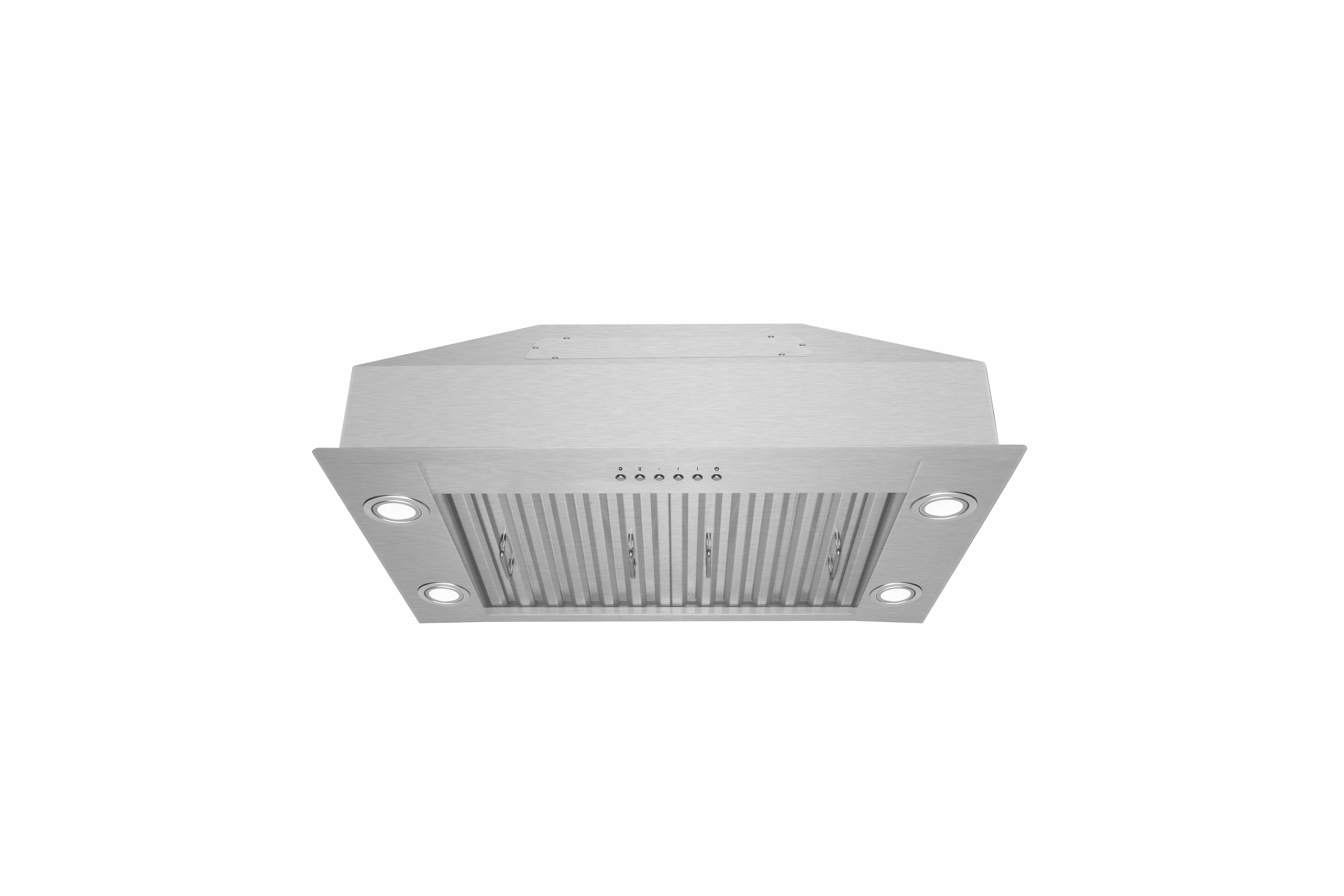
Commercial Restaurant Range Hoods: Advanced Ventilation Solutions for Professional Kitchens

All Categories

restaurant range hood

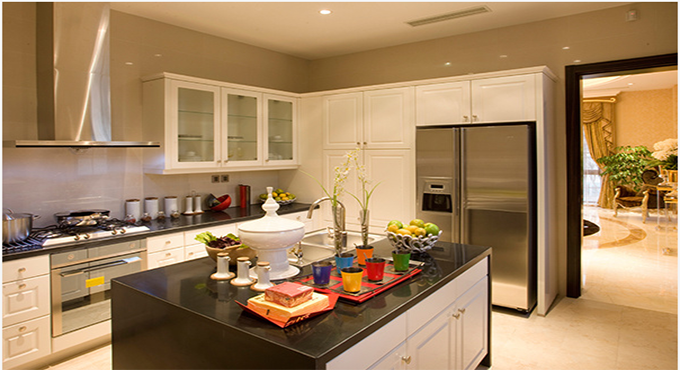
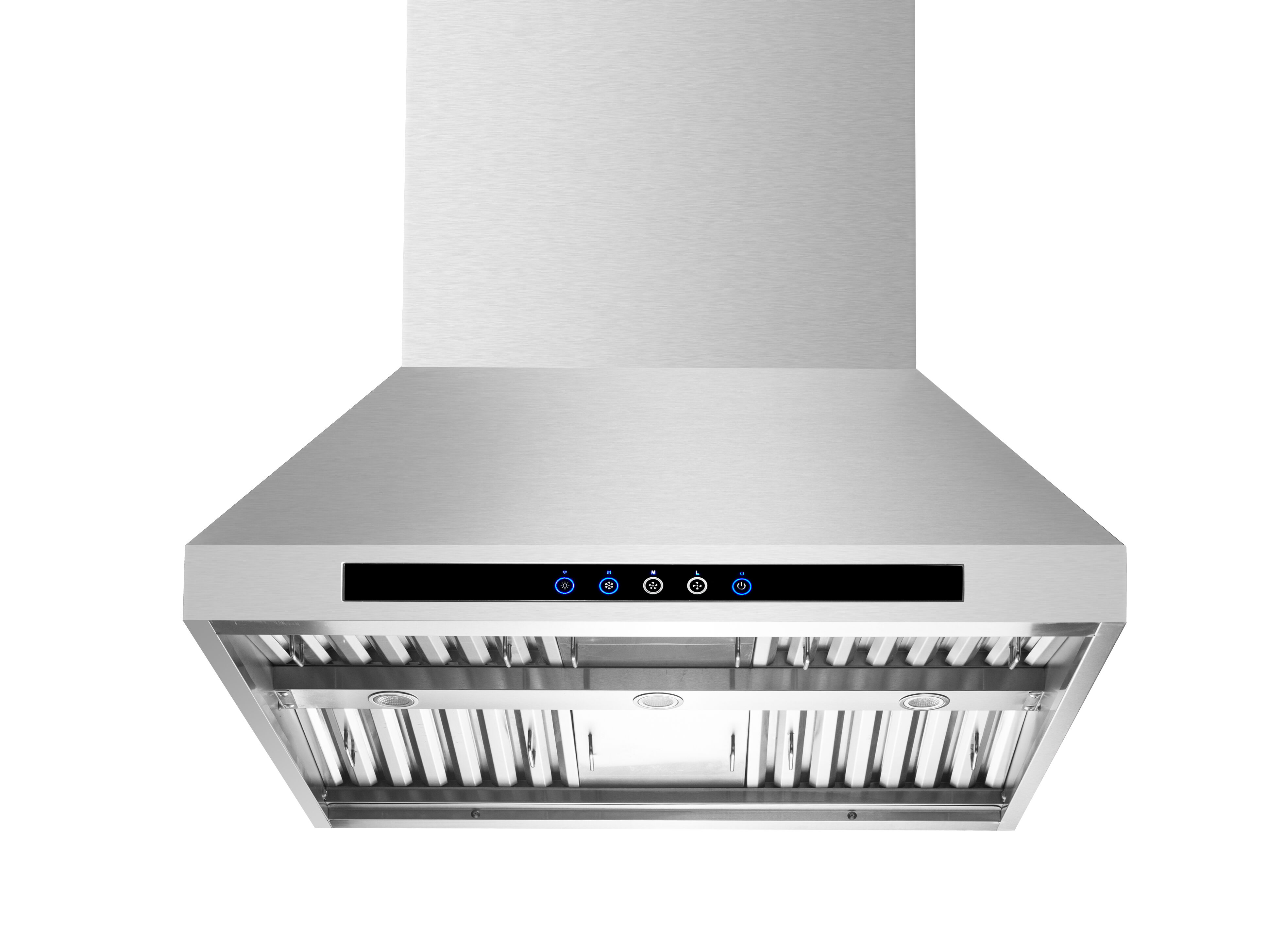
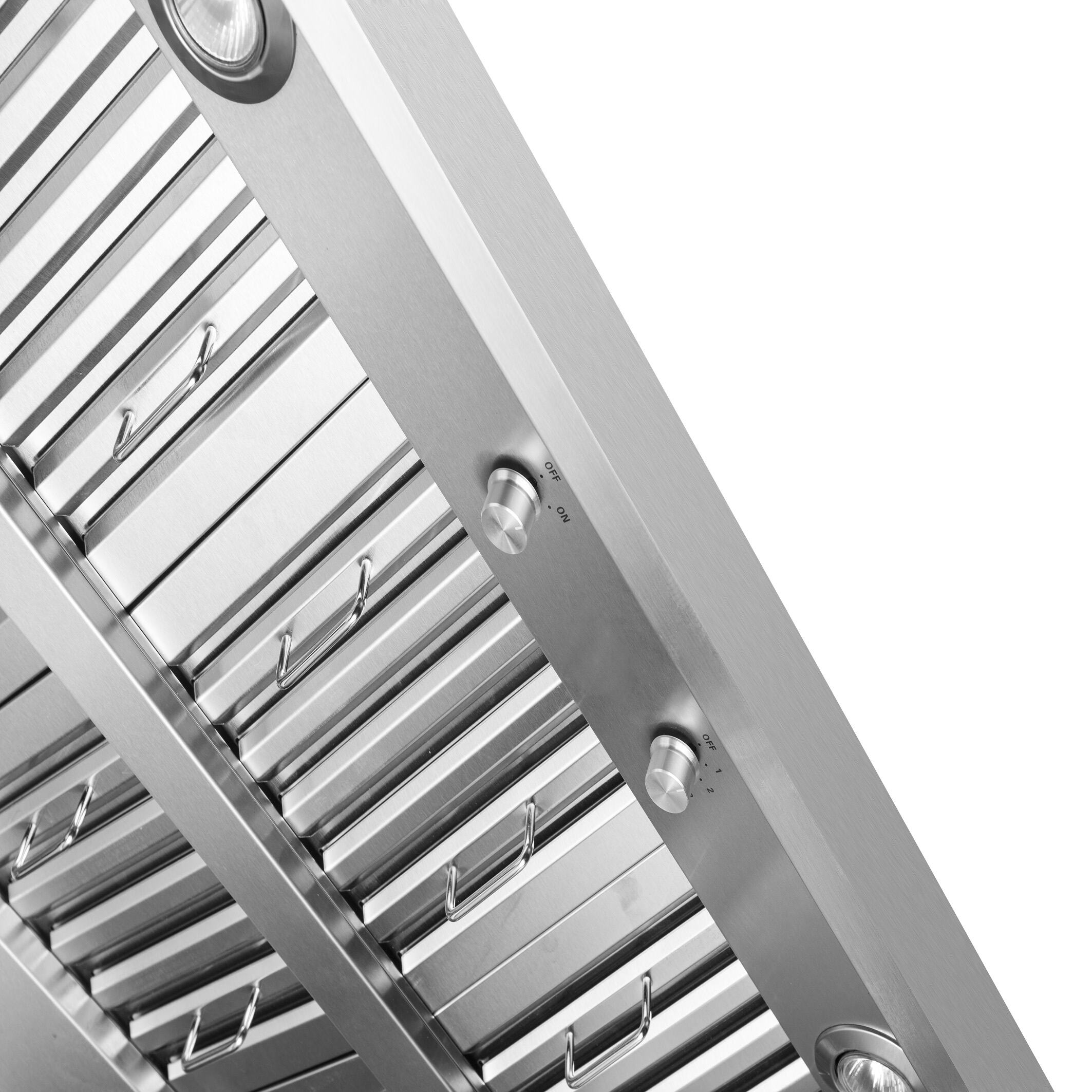
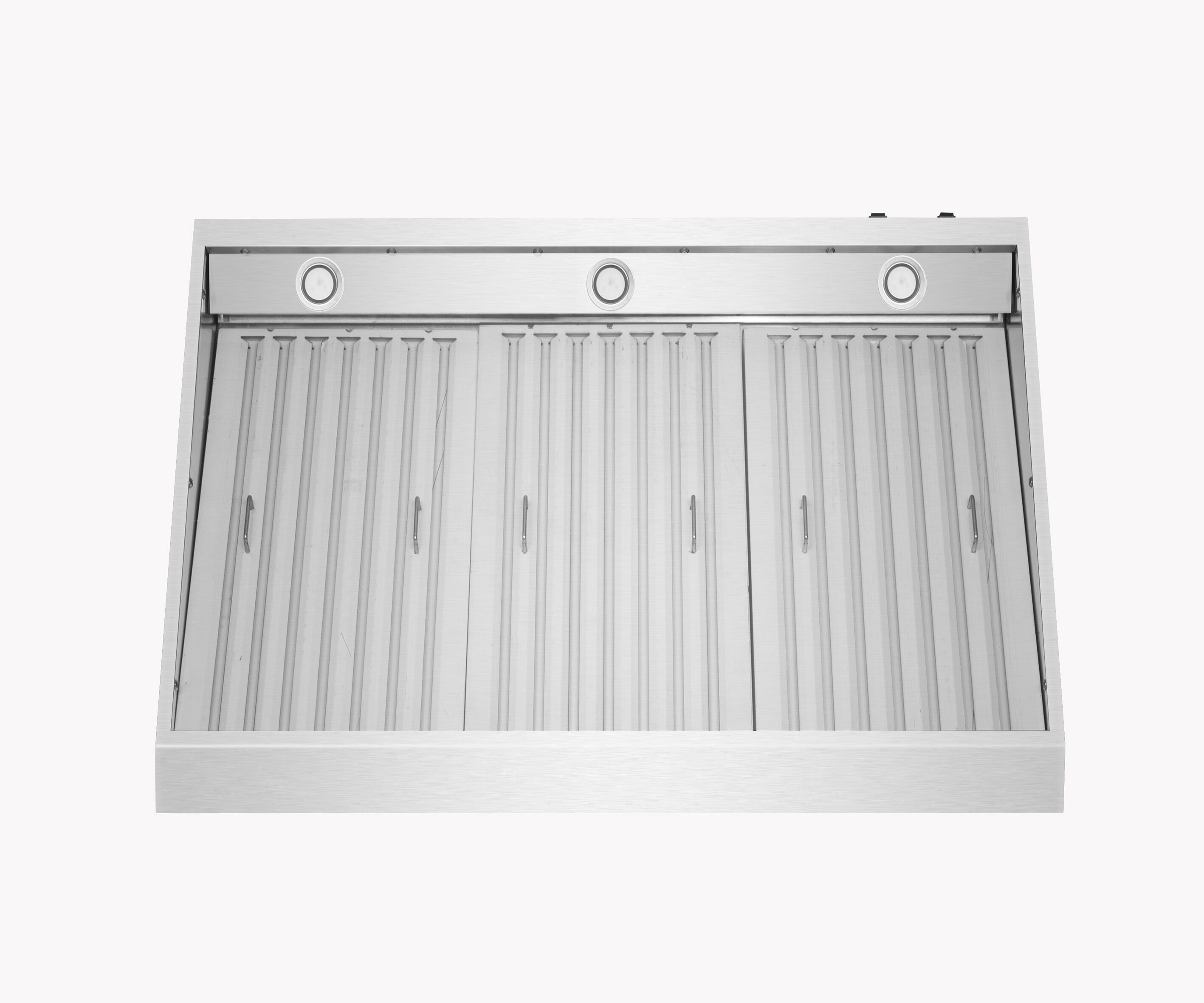
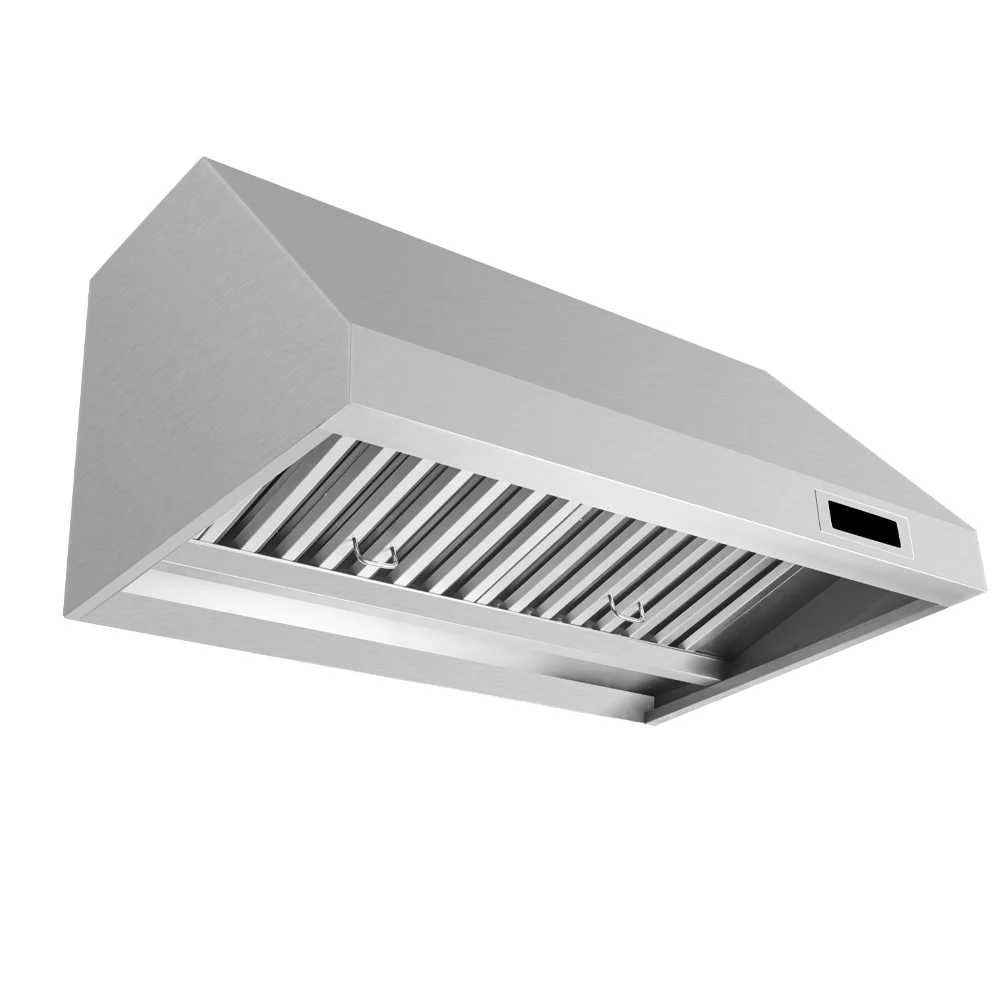
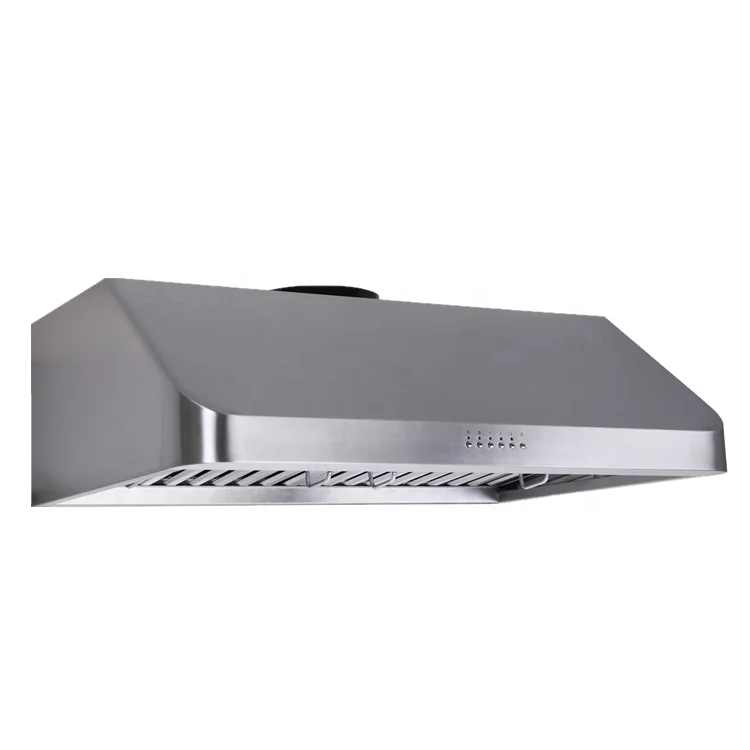
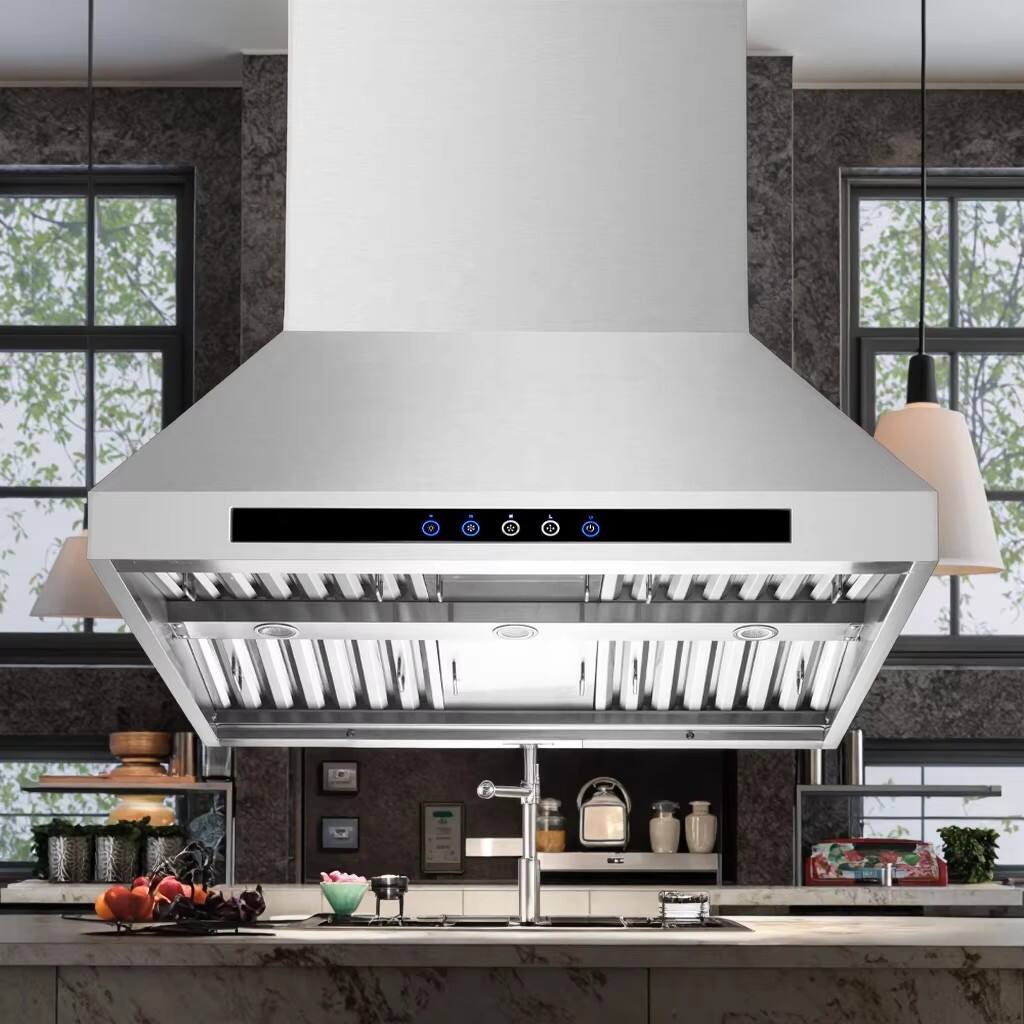
A restaurant range hood is an essential ventilation system designed to maintain air quality and safety in commercial kitchens. These powerful units efficiently remove smoke, grease, heat, and cooking odors from the kitchen environment, ensuring a comfortable and compliant workspace. Modern restaurant range hoods incorporate advanced filtration systems, typically featuring multiple stages of filtration including removable baffle filters that trap grease particles and prevent them from accumulating in the ductwork. The hood's design typically includes a canopy that extends beyond the cooking surface, capturing rising heat and airborne particles effectively. Most commercial models feature high-grade stainless steel construction for durability and easy cleaning, while incorporating energy-efficient motors and variable speed controls. These systems are equipped with specialized lighting to illuminate the cooking surface and often include fire suppression systems as required by safety regulations. The ventilation capacity is measured in cubic feet per minute (CFM), with professional-grade hoods capable of handling high-volume cooking operations. Modern units also feature smart controls that can adjust ventilation rates based on cooking intensity and temperature sensors that optimize performance while reducing energy consumption.
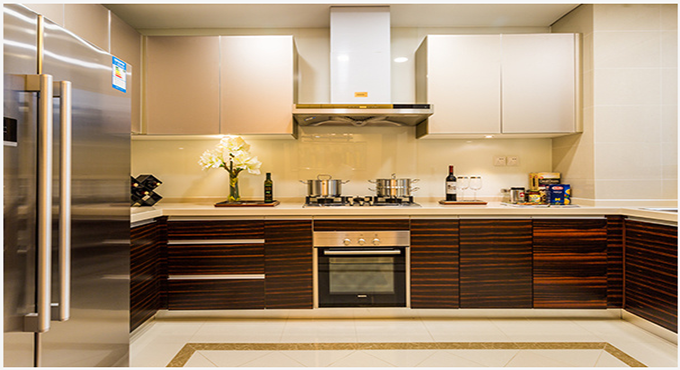
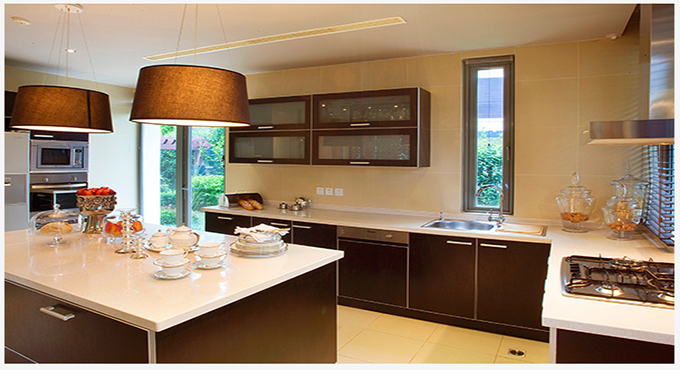
New Product Recommendations

Restaurant range hoods offer numerous practical benefits that make them indispensable in commercial kitchen settings. First and foremost, they significantly improve indoor air quality by removing harmful contaminants, smoke, and excess heat, creating a healthier work environment for kitchen staff. This efficient ventilation system helps maintain comfortable temperatures in the kitchen, reducing staff fatigue and improving overall productivity. The removal of grease-laden air prevents the buildup of sticky residue on surfaces, substantially reducing cleaning requirements and maintenance costs throughout the kitchen. Modern range hoods contribute to fire safety by capturing and filtering flammable grease particles, while many models include integrated fire suppression systems for additional protection. These units also help maintain compliance with local health and safety regulations, which typically require proper ventilation in commercial kitchens. Energy-efficient models can lead to significant cost savings through reduced HVAC strain and optimized operation based on actual cooking needs. The presence of proper ventilation extends the lifespan of kitchen equipment by preventing grease and moisture accumulation. Enhanced lighting integrated into the hood system improves visibility for food preparation and cooking. The reduction in cooking odors creates a more pleasant dining environment for customers, particularly in open-kitchen concepts. Additionally, these systems help maintain building integrity by preventing grease and moisture from affecting walls, ceilings, and structural elements.

Practical Tips

New Way Of Life

21

Mar

New Way Of Life

View More
Look At The Horizontal Flush Kitchen Appliances From a Different Angle

21

Mar

Look At The Horizontal Flush Kitchen Appliances From a Different Angle

View More
What Has Changed In The Kitchen And Bathroom Market In 2017

21

Mar

What Has Changed In The Kitchen And Bathroom Market In 2017

View More
The Main Consumption Subjects Such As Kitchen Gas Burning And Kitchen Electricity Have Changed Significantly

21

Mar

The Main Consumption Subjects Such As Kitchen Gas Burning And Kitchen Electricity Have Changed Significantly

View More

Get a Free Quote

Our representative will contact you soon.
Email
Name
Company Name
Product Category
Message
0/1000

restaurant range hood

Advanced Filtration Technology

Advanced Filtration Technology

The sophisticated filtration system in modern restaurant range hoods represents a significant advancement in commercial kitchen ventilation. The multi-stage filtration process begins with stainless steel baffle filters, engineered to capture grease particles efficiently while maintaining optimal airflow. These filters are designed for easy removal and cleaning, significantly reducing maintenance time and costs. The system often incorporates secondary filtration stages that may include specialized mesh filters or activated carbon components to address finer particles and odors. Advanced models feature cyclonic grease extraction technology that uses centrifugal force to separate grease from the airstream, achieving removal rates of up to 98% of airborne grease particles. This comprehensive filtration approach not only improves air quality but also extends the life of the ventilation system while reducing fire risks and maintenance requirements.
Smart Control Systems

Smart Control Systems

The integration of intelligent control systems in restaurant range hoods marks a revolutionary step in kitchen ventilation management. These smart systems utilize multiple sensors to monitor temperature, smoke density, and cooking activity levels in real-time. The automated response system adjusts fan speeds and ventilation rates accordingly, optimizing energy efficiency while maintaining effective air quality control. Advanced models feature touchscreen interfaces that provide detailed system status information and allow for precise control over various operations. Many units can be integrated with building management systems and offer remote monitoring capabilities through mobile applications. This technology includes predictive maintenance alerts, operation scheduling, and energy consumption tracking, enabling kitchen managers to optimize performance while reducing operational costs. The smart controls also ensure compliance with ventilation requirements by maintaining proper air flow rates during peak cooking periods.
Energy Efficiency Features

Energy Efficiency Features

Modern restaurant range hoods incorporate numerous energy-saving features that significantly reduce operational costs while maintaining optimal performance. The variable frequency drive (VFD) technology allows for precise control of motor speeds, ensuring that ventilation rates match actual cooking needs rather than running at full capacity continuously. Demand-controlled ventilation systems use temperature and optical sensors to detect cooking activity and automatically adjust operation accordingly, potentially reducing energy consumption by up to 50%. The aerodynamic design of these hoods optimizes air capture and containment, requiring less overall airflow to achieve effective ventilation. Energy-efficient LED lighting systems provide excellent illumination while consuming minimal power. Many models also feature heat recovery systems that capture and redistribute waste heat, further improving overall kitchen energy efficiency. These combined features not only reduce utility costs but also contribute to environmental sustainability efforts and may qualify for energy efficiency rebates or certifications.

Get a Free Quote

Our representative will contact you soon.
Email
Name
Company Name
Product Category
Message
0/1000